Categories
Beautiful People Healthy Activities Healthy Living

Prima Donna – Tamiyo Kusakari

Tamiyo Kusakari is a very well known retired ballet dancer in Japan …  If you are not into ballet, you may still have seen her in a movie called “Shall We Dance ?” – a romantic comedy with subtitles I am sure worth checking out if you like topics of dance.

Awhile ago I saw her documentary and there was a footage of her practice – where an older white haired coach was giving a very pin-pointed and motivational cues and instructions.  Then this documentary showing her practicing her 32 spins, known as the most challenging ballet dance technique.  There she was in front of a Japanese coach who was someone quite a bit older, resembling a grandmother who keenly observed and gave her advice.  She herself appeared a little too into her senior years to show by doing.  But she knew as she once danced at the apex when her body allowed her to.  She gave cues and helpful tips BASED on her observations and that was rather revealing for me.  Up until then, I had thought teaching a yoga class was about ME doing the yoga sequence and ME showing and demonstrating in the front and ME yoga-ing along with the students – only difference being that I needed to call out cues, explain or instruct as I engaged in MY OWN yoga practice.  I am sure you know that if you are DOING IT, you are not really seeing your students.

The documentary made me realize that … when leading or teaching a yoga class, the teacher is the OBSERVER and an Analyst, there to access the condition of that student, give appropriate assists as needed but it’s always observing carefully and lovingly (not judging) and seeing how best to support the student in achieving their balance and wholeness.  Reminded what Judith Lasater said is the most important aspect of being a good teacher – that you are there to hold a mirror so that the students can gain better vision of themselves.  It’s about the student’s practice; not me doing my practice and sharing that with them. It’s all about the student in a student-centric class not about me in front of students being ego-centric or showing off (or being humbled as the case may be, ha, ha:) or caring about projecting an “image” – it’s all about the student and their transformation; you the teacher, an observer and a guide and aide to serve the student on his/her journey of transformation… and not my own.

SO that in mind, my approach has changed.  My intention might also be undergoing a change – It’s a reminder that yoga is BIG vast teachings and to fit that vastness into just one box called “fitness” to burn calories or stretch like pretzels at the gym is a bit too much of a shame – it’s a waste of enlightened human experience if you place yoga in just that box.  Yoga offers so much more than the body-only tuneup element.  There are so many benefits beyond the physical when we invite that kind of practice into our lives.  To be open, flexible and … kind so a true transformation may take place where you reach a better version of Self – to be lighter and freer unburdened by outside validation and past trauma or anxieties over the future but living in the moment, validated by the wisdom within.

The documentary follows Ms. Kusakari (& Her super supportive husband, the famed film director, Masayuki Suo) as she prepares for her final stage as a ballet dancer.  She decides to retire completely from the stage in her 40’s, probably realizing her physical limitations.  She had nailed the 32 spins many many times before on stage and off; practicing and practicing to perfection. BUT there’s a practice her husband documents, where she falls from the spins much to her own shock … and from that day … she is humbled and never attempts the 32 spins. In her mind, there’s the shock – I used to be able to do it with practice; I used to be able to stay balanced; I used to be … past past laurels.  A Prima Donna with intense pride that she has, she faces the reality in the present moment.

It was a practice of … letting go… letting go of attachments, not clinging to one’s own vision and identity of who you are.  To realize that letting go is not the same as grieving a loss because … the act is not marked by a loss.  Rather, by letting go, one makes more space and learns that there’s then gaining something else in the process.  Letting go of what she was capable of before physically and challenging herself in another way, to grow and evolve in another way, letting go of what she was capable of in her 20’s and 30’s as she moves on in her lifespan.  It’s so lovely to see someone who ages with grace, humility and … pride.


*** Interesting
Categories
Healthy Living

Health related reading in Japanese

What’s on people’s minds is rather easy to find out but seeing the featured books and magazines at book stores … I love analog books authored by well trusted doctors, well researched materials by those in the field who know the latest in scientific and medical studies – and explained to the layman.

In my own way as a Yoga Therapist, exploring Brain Health and Yoga though some readings leading to ways to improve our brain health through body, mind and spirit approach:)

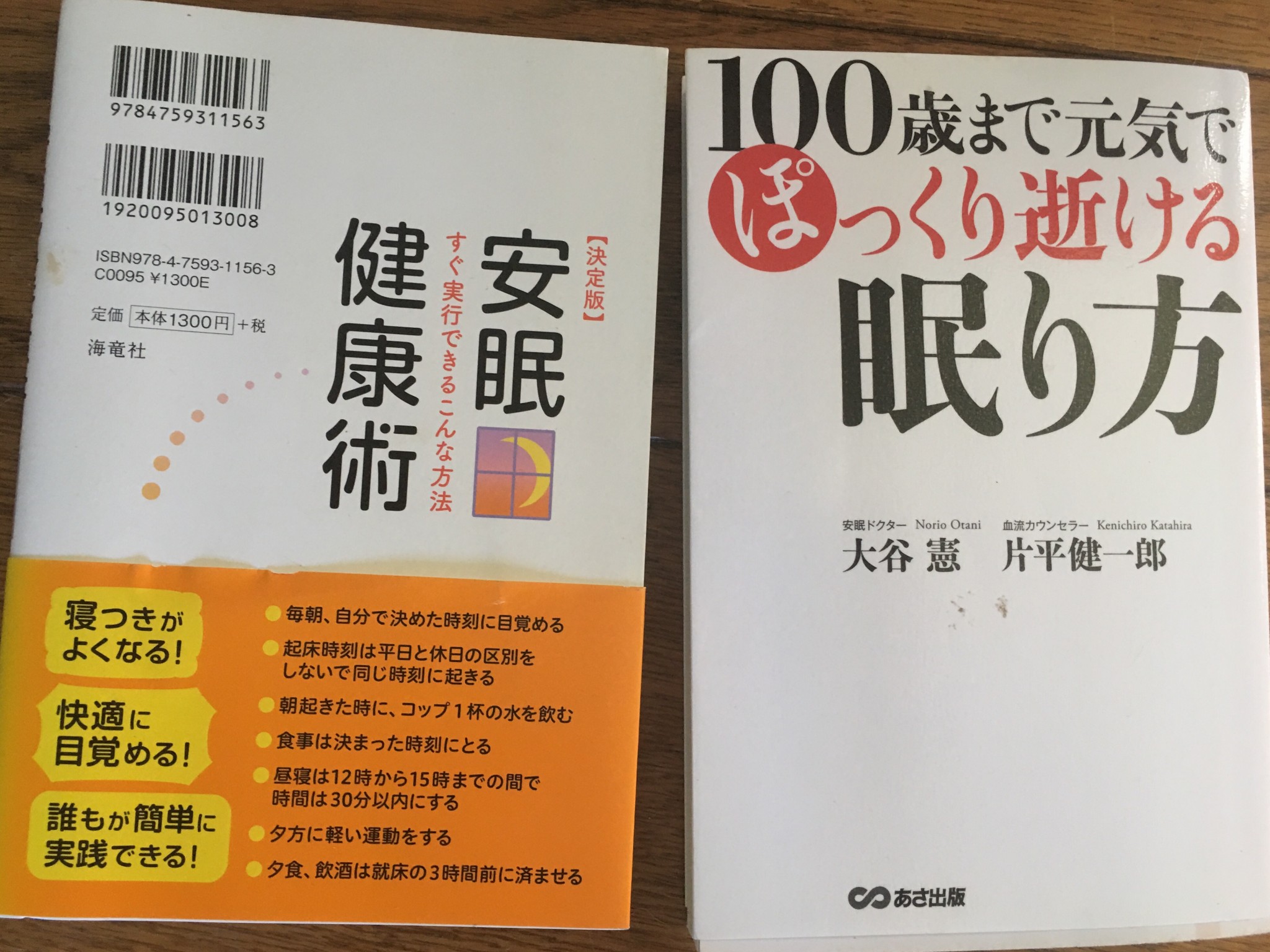
Simple translations:  “Quality Sleep Health Methods”

“Living Fit with Vitality until 100; to be attained through high quality Sleep”

(actually reads something like  – Living with Vitality til 100 with ease; then depart without suffering – Certain Sleep is the answer)

Why quality sleep is the foundation of active fit longevity … Type of Sleep that makes your brainier and smarter vs. the type of sleep that makes you … stupid (really – straight translation)

Brain Science – Super Deep Slumber

Good Medicine; Bad Medicine

Super Foods on Horizon to look out for …

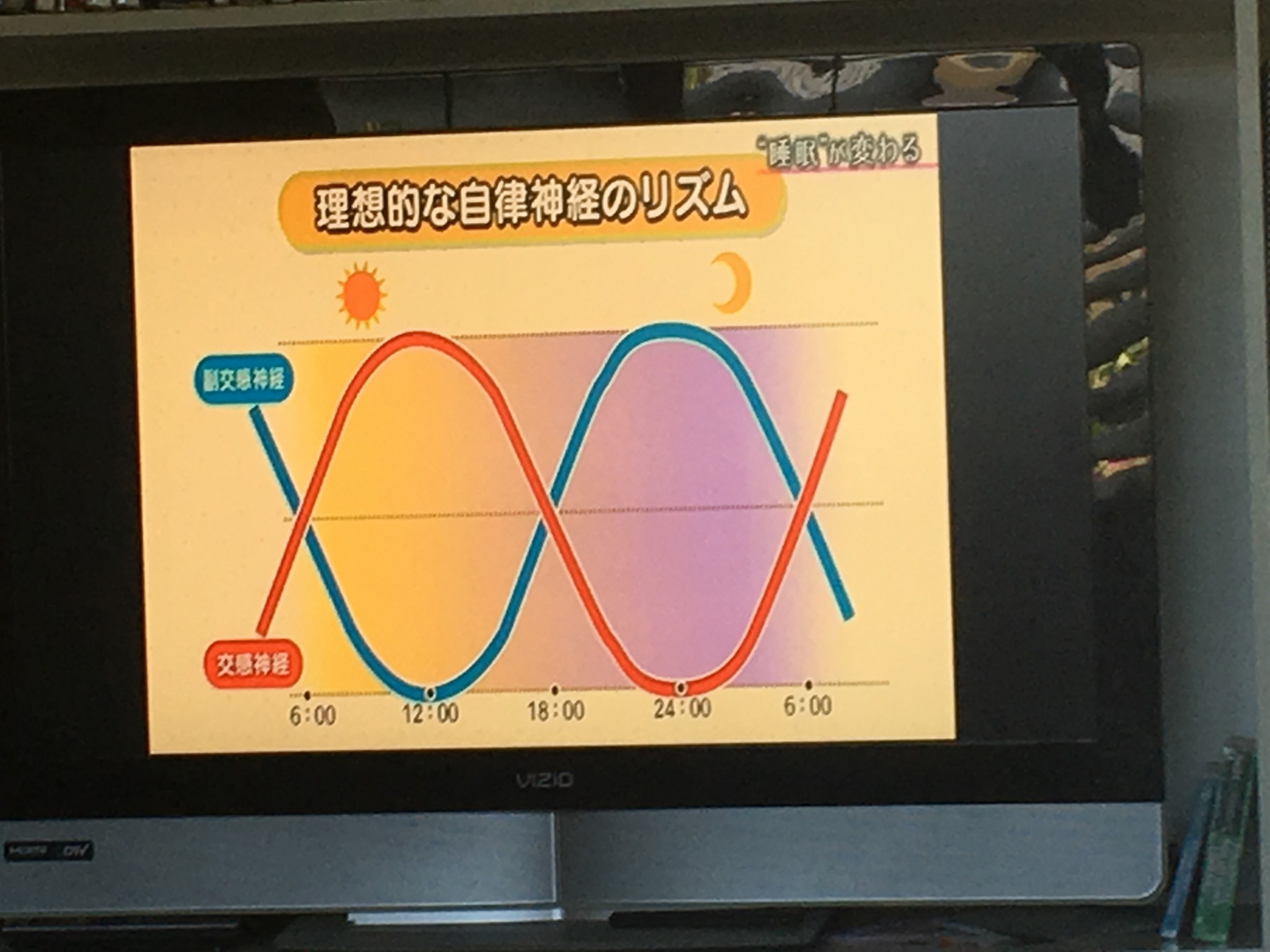
Rhythm of the autonomic nervous system – and my interpretation would be how Yoga Practice strikes a balance to improve our daily cycle, leading to enhanced health.

My question would be … Does Yoga Nidra & Restorative Yoga really help?  Does Meditation really help?  In what way does Yin Yoga really offer healing properties?

Categories
Healthy Activities Healthy Living Yoga

Yoga for Jet Lag

Yoga for Jet Lag is similar to Yoga for Insomnia as symptoms of a jet lag is insomnia triggered by that act of passing through different time zones.  There’s also what’s called a “social” jet lag, where one has never left town on air travel but has a lifestyle that resembles a jet lag where the sleep/wake patterns are not in sych with the actual biological body clock … that could be again as a result of social reasons or due to some dementia where your day reverses with night.

In normal healthy situations, with jet lag symptoms receding, insomnia usually cures itself but unfortunately there are exceptions where jet lag symptoms drag on or manifests into full blown insomnia.  Yes, there are some who carry on and have a challenging time shaking off the affects of a jet lag that could be a cause of (1) dizziness, vertigo, light-headedness (2) headaches (3) stomach upsets – of one extreme to the other (4) fatigue (5) general sense of unease and anxiety. (6) body aches and stiffness. (7) breathlessness climbing stairs …  There are many theories and advice on how to deal with jet lag online that are valid based on science and medical studies and there are many that are simply anecdotal which may or may not work.  The most common is from those who will say that it’s the mindset – you just power through and never think about the alternative time you had been in; staying present and totally trick your mind into the new time zone.  This is of course possible but there are variables that affect the success of that – “pretending all is good” method.   I realized why it’s not quite that easy having read this article. The study gives you a clue that “fake it” until you make it OR denial method does not really work on the long run – your body is intelligent and knows even if your brain/mind may pretend otherwise.  These factors determine the severity of our jet lag discomforts:

  1.  Depending on where you are going to, your body may undergo additional stress to acclimate and adapt to the new environment – I am talking about the climate of the new location you find yourself in.  Is the new location a place of extreme heat and humidity or is it a place of frigid temperatures or … is it a place with milder climate than where you hail from.  All make a difference.
  2. How many time zones you few in.  Usual rule of thumb is per each time zone, give one day of rest.  That of course is not possible for many and some are traveling right back or traveling further so … further confusing the body-clock.
  3. You weight and any predisposed cardiovascular and circulatory conditions;
  4. Your age and general fitness level. More advanced in age, the harder to cope; less fit, the more challenging to cope and adapt.
  5. Quality of sleep you normally enjoy.

***                               ***                                 ***

So whether combating a jet lag which is a short term problem or insomnia which might be a bit more complicated, we have to first understand why we sleep so I found this book by Matthew Walker to be very insightful.  Sleep is profound – imagine – to live vibrantly and to be the best version of yourself, we do need about 8 hours of sleep … the human body/mind has to invest in that time or ultimately you will be paying in some ways – whether be health problems or cognitive impairment down the road.  It’s a myth that one could actually get by in a constantly and perpetually sleep deprived state.  There’s also his interview on Fresh Air NPR I would recommend listening to.

More later on the How-To’s Tried-and-True and this for not just jet lag but for the need to improve quality of sleep for general positive outlook on life and yes, happiness.  We are happy when our energy is bountiful – and when our energy is bountiful, there’s happy body and when our body is happy, mentally, emotionally, we are happy.

It’s about the energy. Our prana.  Instead of wasting it or losing it, how to harness it; how to retain it; how to use it for the right purpose; how to increase it. And that all hinges on how we rest, repair, recharge and renew.

So how would a practice of yoga help in this quest for quality sleep – would an inversion help?  What about a heart-centric practice or how about decompression of the spine and opening of the hips?  Things to think about in designing a sequence to serve as a remedy for those who can’t afford one day of rest per each time zone and have the need to get up and go and be productive from the get-go.

I also purchased some Japanese books by Japanese doctors on this subject and when I finish reading them, I would be happy to share in a form of a yoga practice.  oxoxox or should it be ZZZ 🙂  Sweet Dreams become Reality when we follow a certain ritual.  Yes, really.