This past week, I had 2 messages about someone’s parent suffering from a cardiac arrest and she/he has to drop everything to rush to the hospital ER; with such need , they cancel everything to fly to be with their parent of course… thus unfortunate emergency plea for a sub teacher or a need to cancel a class arises…it’s regretful.
We all know the importance of aerobics exercise to get the heart rate up and up and work out our muscles – we do need to do that, min. 30 minutes a day (walking dogs count!); but did you know that we also need to do the exact opposite? There you will say – well, I sleep and lounge and relax for that. It’s not the same.
In true deep relaxation prompted by restorative yoga, your heart rate can drop to as low as 28 beats per minute according to a study shared by Roger Cole, PhD, a guest speaker/professor at Judith’s teacher training. So what? In this near death state (just kidding), your heart really really has a chance to REST (but not stop!) and be nourished … your blood pressure is eased up and when you come out of that state, you have a chance to take stock of your other heart – the emotional heart.
When you come out, the refreshing renewed feel you get is not quite the same as you first wake up in the morning after a fitful (for some) or not so restful sleep. A true deep relaxation, even for just 20 minutes a day, can literally change someone’s personality for the better. For heart health, a mix of yoga that gets the heat up and heart rate up and up – that more sweaty detox goal oriented morning practice – contrast to the opposite, the cooling, calming, relaxing and quieting practice – that full spectrum – would be a lovely weekly journey… sort of what I am trying for even though the yoga practice late last night – done at 10pm (only time I had and so very exhausted…) was more like a morning practice … and made me stay up well past 1am. Not good as 10pm to 2am hours are the Golden hours of best sleep…Really enjoy the late schedule and the nice teacher but must modify to fit my needs for a more effervescent floating in clouds feel I crave at night… why do we have to work so intensely after a full day? Call me idle and lazy, I don’t care. It’s ingrained in our mindset that we are worthless unless we are doing something and is busy or intensely “doing”. Hope your heart keeps up to all that doing. It may rebel someday if you don’t have the “heart” to listen to Self.
Praying for everyone’s heart health … both physical and emotional, as we welcome the New Moon phase …planting seeds of good habit and good intentions.
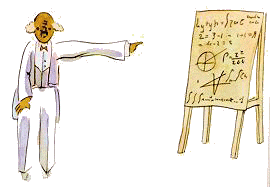 From “Little Prince”:) where a wise guru wearing a traditional ethnic tunic is not taken seriously but when he wears Western formal wear, he’s taken seriously by the educated in the West… luckily the time has changed and today, the seekers in the West will gladly dress in the tunics find these gurus if they don’t come to us. Or maybe the guru will show up wearing a t-shirt on Uber? We lay out our own unique path to get to the same destination and that destination is not what it’s about but what’s along the path we get to experience:) Yoga practice allows for that experiences to integrate into your being so you can really feel them, appreciate them, appreciate … life given – oxox
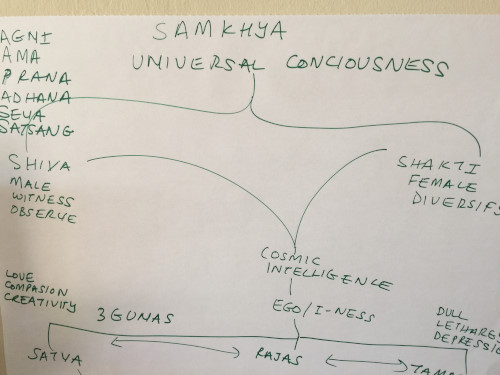 From recent Ayurvedic Health course by Jyoti Jain from Art of Living Foundation… A bit of a review from the 200 hrs. TT but something I needed to do as I hope to “cook” these wonderful dishes she shared with us.