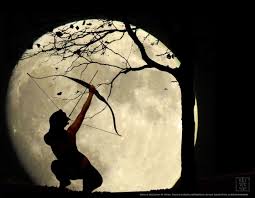
An Empath at your service …

I will soothe you and heal you.
I will bring you roses.
I too have been covered with thorns.
– Rumi
An Empath at your service …
I will soothe you and heal you.
I will bring you roses.
I too have been covered with thorns.
– Rumi
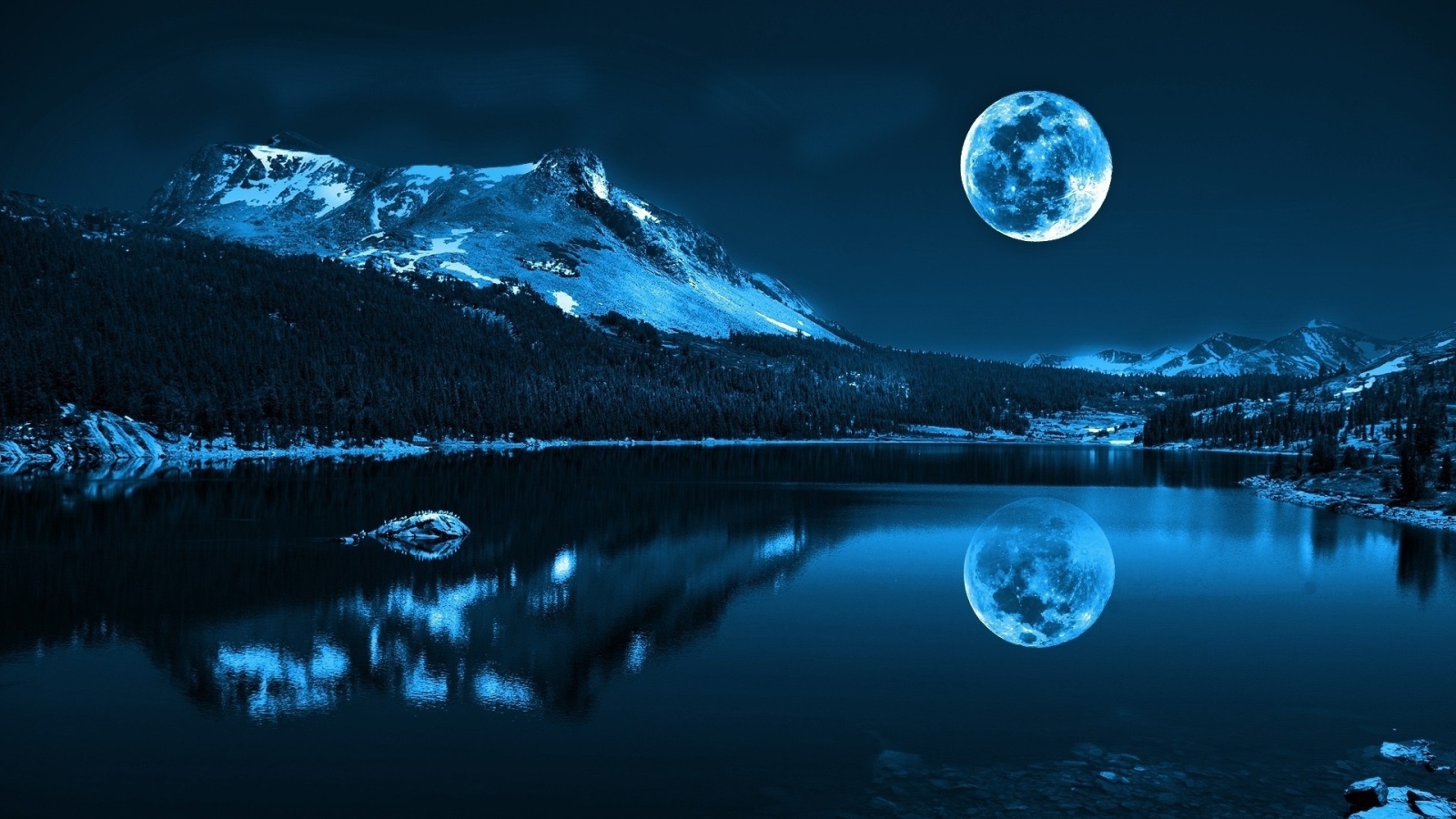
While this is not the moon salutation (more like Surya Namaskar…)I practice, I love the earthy and yet ethereal visuals she creates. It’s mesmerizing – I imagine this as I practice – feeling the goddess energy overtake me:) There’s grace when there’s that intention.
The Vedic scriptures speak of the spiritual and cosmic importance of the solar and lunar phases. The Sun controls our soul, while the Moon has command of our mind. The interaction of these two planets produces changing phases of the Moon. Changing from new to full moon and in reverse, these phases affect Earth, animal and plant life and human body, mind and emotions.
Chandra Namaskāra is a practice of adoration of the Moon. In Sanskrit, Chandra means “the moon” and Namaskāra stands for “salutation, adoration”. This practice linked with the lunar cycles consists of fourteen asanas performed with the left and right side. The sequence of the asanas matches the 14-day movement of the Moon to the full moon phase and the 14-day movement to the new moon phase.
Chandra Namaskāra is performed 14 times, with 7 cycles for the left and right side, reciting the mantras of the Nityas. Regular practices of Chandra Namaskara purify vital energy that circulates in the body and allow to control varying moods, actions and other processes in human life influenced by the change of the Nityas.
The best time for performing this practice is the evening or the night when the Moon is visible.
– Mai Ram Devi
So beautiful … fluid … flow. I talked about the adoration of moon in Japanese culture as well in the past post.
Teach what you practice so break it down – I may introduce each pose one at a time and then … will string them together for a whole sequence – I can already feel the soothing and yet powerful lunar energy… exhale, exhale … haaahhhh exhale. The mountain air was delicious – Inhaled with gratitude – Good night:)
****************
No judgement BUT just for regular practitioners, there are couple of points that could be made anatomically/physiologically SAFER. Not everyone is as bendy as this yogini in the video so few modifications come to mind – other modifications are forced upon us by the limitations of our own body anyway – see her backbend ~ bendy like a willow ~~~
The Low Lunge – for Anjaneyasana:
She has her knee protruding; and while this is aesthetically pleasing, most mortals should keep the knees right above the heels for TLC for long lasting juicy healthy knees.
Standing Prayer Pose – Tadasana with Namaste or Samasthiti with Angeli mudra – while super appealing to have the pronounced hips in this silhouette, & not saying that her tailbone need to be tucked in or anything but lower back could be lengthened towards the earth more to protect the LB. Again, she’s so willowy bendy, she is not your average person who might be fit but do not engage in yoga hours a day but few times a week at most. Standing with integrity, with the natural S-curve of your spine intact. So until the muscles around the LB is lengthened and strengthened, best not to stick out your tail, straining the lumbar spine/sacrum region – the delicate pelvic tilt would be the intention of descent – even though again, it is so aesthetically more pleasing…the other way (i.e. sexier ?)
Yesterday morning as I was about to open for teaching (NOT tired -it’s bright and early! YES!!)… intro into directing the Drishti point couple of feet ahead, I notice an ant crawling right in front of my mat, the exact spot of Drishti. My mind took over then, should I pick it up – what if I step on this poor creature during class – what if it crawls onto my mat – I don’t want to kill it. Shook off the thoughts and refocused and the ant disappeared – went about the business of Pranayama with the intent of flooding our body with Oxygen for the wake-up to juice up. That ant must have been a reincarnation of … I have few suspects. It’s a full moon night – come to expect the signals.

Full Moon last night called the Beaver Moon by the Native Americans in Northern America. Apparently each full moon was named from an activity or an event that happened that month. Beaver Moon means that this is the time of transition where beavers are very busy, to fix their lodges and get ready for winter. It is a time of PREPARATION for what’s to come. (hibernation’s not an option – beavers do not hibernate and nor do we. Or do we?) According to Farmers’ Almanac, it was also the time to hunt the beavers to get the winter furs. Living in synchronicity with nature … in harmony, in a sustainable environment of abundance … their wisdom is not lost.